

Back in April, 18-year-old Emiliano Cuevas-Bravo walked into the Jackson County Public Library in Indiana with a loaded shotgun, a homemade pipe bomb, and the intent to kill. His original plan was to shoot up Seymour High School, but when he saw a teacher he recognized, he bailed and went to the library instead. That change of plans didn’t come from a change of heart. It came from fear of getting caught too early.
He fired one shot through the glass wall of the circulation desk, hitting a clerk in the arm. Another employee narrowly avoided injury. The gun jammed after that. Cuevas-Bravo had loaded the shell backwards. A cartoon-level blunder that may have saved lives. He gave up trying to fix it, ran upstairs, poured motor oil on the floor, and was stopped only because someone had the courage to tackle him before he could light the place on fire.
He told police he was depressed and suicidal. He also told them he idolized Columbine. He had a shotgun, a trench coat, a failed pipe bomb, and even targeted a library, just like Columbine. He admitted the school resource officer at Seymour High School was his first intended target. That’s not depression. That’s devotion to a blueprint. Cuevas-Bravo was a columbiner, and he followed the script down to the date: April 30th, the anniversary of Hitler’s death, while Columbine had been scheduled for April 20th, Hitler’s birthday.
Now, more of that script is coming to light.
Cuevas-Bravo recently appeared in court, where a judge set his bond at $2 million. That’s a huge number in Indiana for someone not charged with murder. The judge made it clear he would have denied bond completely if the law allowed it. Prosecutors argued that Cuevas-Bravo is still a danger to the public. They’re not wrong.
The evidence goes beyond what he carried that day. Authorities recovered voice recordings and digital journals dating back weeks before the attack. In them, he says things like he wanted to “go wild” and “be the god of his world.” He documented his thoughts almost daily, starting 47 days before the shooting and continuing right up to half an hour before he opened fire. His tone shifted over time. He became more excited, not less. More animated. More certain. This wasn’t a cry for help. This was a countdown.
He left farewell messages in a Google Doc. He made audio logs talking about his desire to outdo Columbine and Virginia Tech. The only reason he didn’t rack up a higher body count is because he screwed up the shell loading. That was his flaw, not the plan’s.
Make no mistake, there was a plan. He had 95 shells. He had a homemade bomb. He had propane and a lithium battery in his car. He chose the library because it symbolically tied back to Columbine. When one target failed, he simply moved to the backup. That’s not impulsive. That’s rehearsed.
In court, family members tried to paint him as someone who just snapped. The judge didn’t buy it, and neither should anyone else.
Cuevas-Bravo isn’t just a confused teenager who needed someone to talk to. He’s someone who found meaning in the mythology of mass shooters and used it to justify a path of destruction. He didn’t just want to die. He wanted to be remembered. He wanted to leave a scar.
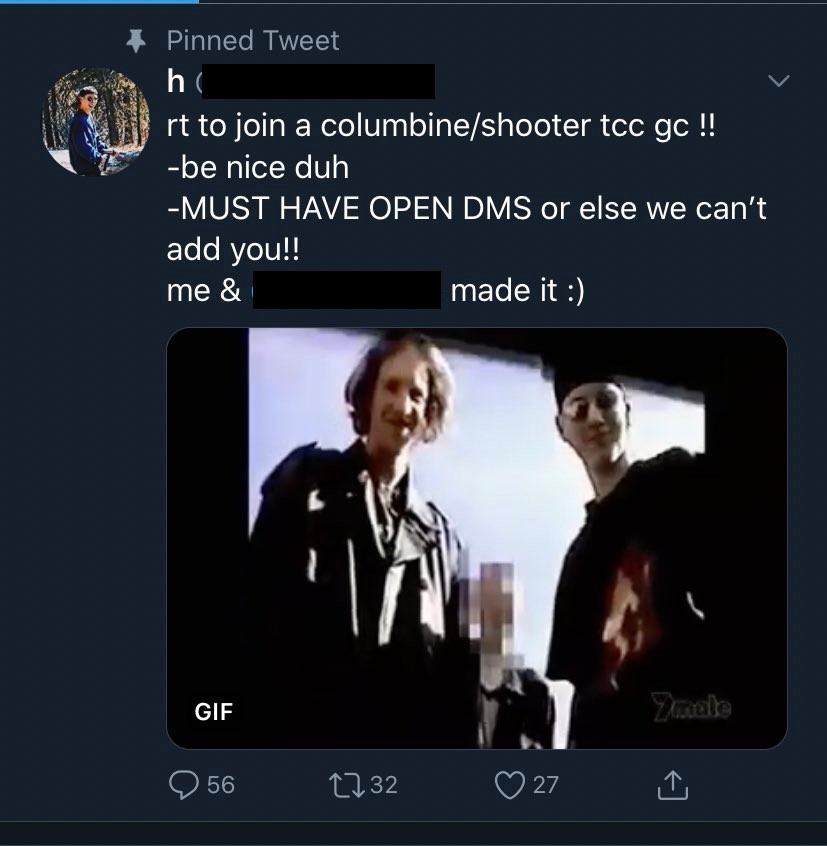
This case is precisely why people should take the Columbine subculture seriously. The language. The gear. The dates. The fascination. It’s all a warning sign, and ignoring it costs lives.
The sad truth is this wasn’t stopped by any proactive measure. It wasn’t red flags or intervention. It wasn’t law enforcement. It was dumb luck and a brave civilian. That’s the part no one wants to admit. And next time, we might not be so lucky.
(Source)



 Real Crime with Trench Reynolds
Leave a comment