
On May 24, 2022, Uvalde, Texas, became the site of the deadliest school shooting in the state’s history. And that’s saying something considering the number of school shootings they’ve had. Nineteen kids and two teachers were murdered at Robb Elementary, and while the rest of the country moved on to the next outrage, the survivors have been left behind in the rubble.
Take Amy Franco. Three days after the massacre, while she was still shaking from the trauma of the attack, she turned on the TV and saw police officers blaming her for letting the shooter into the school. They claimed she’d left a door propped open. In reality, she’d slammed it shut while trying to warn staff and kids that a gunman was on the loose. Video proved her right. But the damage was already done. Not by the shooter this time, but by the cowardly cops who needed someone to pin their failure on.
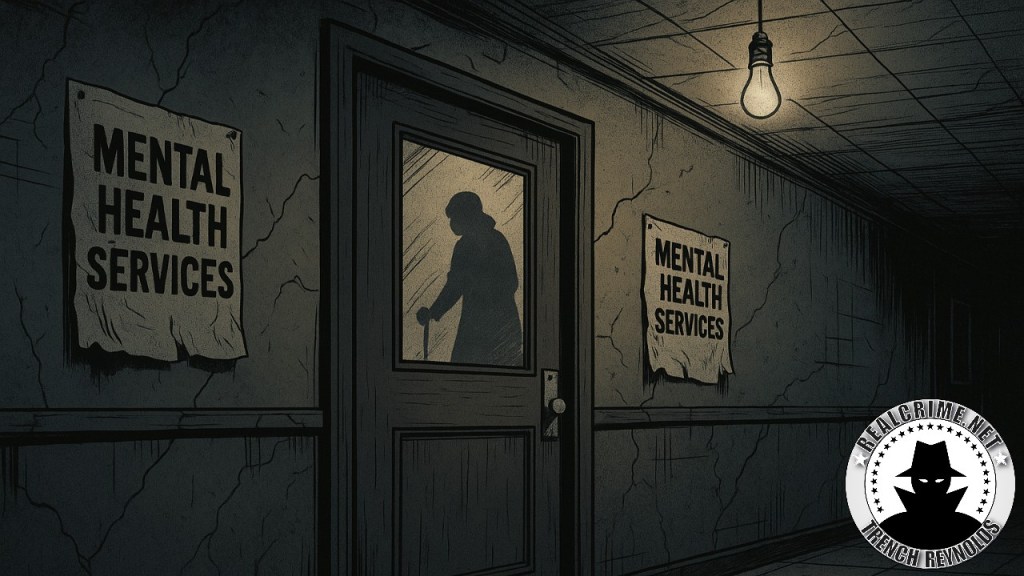
Franco is now 60, living with PTSD, depression, and an injury she sustained that day. She needs a cane to walk. She can’t bring herself to step outside to check the mail. She’s bounced between therapists because the one treatment she thought might help wasn’t covered by workers’ comp. In fact, her injury claims were denied outright. She’s been reduced to asking for rent money and scraping by on dwindling payments that the state can slash at any time.
And here’s where I get sick of the hypocrisy. Every time there’s a school shooting, we hear the same talking point: “It’s not a gun problem, it’s a mental health problem.” Fine. Then why is it a nightmare for survivors to get affordable mental healthcare? Why are people like Amy Franco being denied treatment and forced to navigate a maze of red tape just to talk to a counselor?
In the wake of Uvalde, Texas officials bragged about pouring millions into mental health services. They promised $5 million for the Uvalde Together Resilience Center and another $1.25 million for the school district to provide trauma-informed care. Yet here we are, three years later, and survivors are still falling through the cracks. A few nonprofits and kind-hearted individuals are keeping people afloat, but the grand state-led “mental health initiative” seems to have evaporated into thin air.
Meanwhile, Uvalde remains a fractured community. Victims’ families are divided, survivors isolated, and there is no centralized support system to guide people through the recovery process. Many of the organizations that showed up in the immediate aftermath have long since packed up and left.
If this is how Texas treats survivors of the deadliest school shooting in its history, then the message is clear. They care about the photo ops, not the people. They’ll talk about “mental health” all day long when it’s a convenient way to dodge a gun control conversation. But when it comes time to actually deliver? The money disappears, the services vanish, and the survivors are left in the dark, sometimes literally, because they can’t even pay the power bill.
Amy Franco closed the door that day. She did her job. The people who were supposed to protect those kids didn’t. And now, three years later, those same people, and the politicians who backed them, have closed the door on her, too.
Meanwhile, guns are still the protected right of weaklings.
(Source)



 Real Crime with Trench Reynolds
Leave a comment