
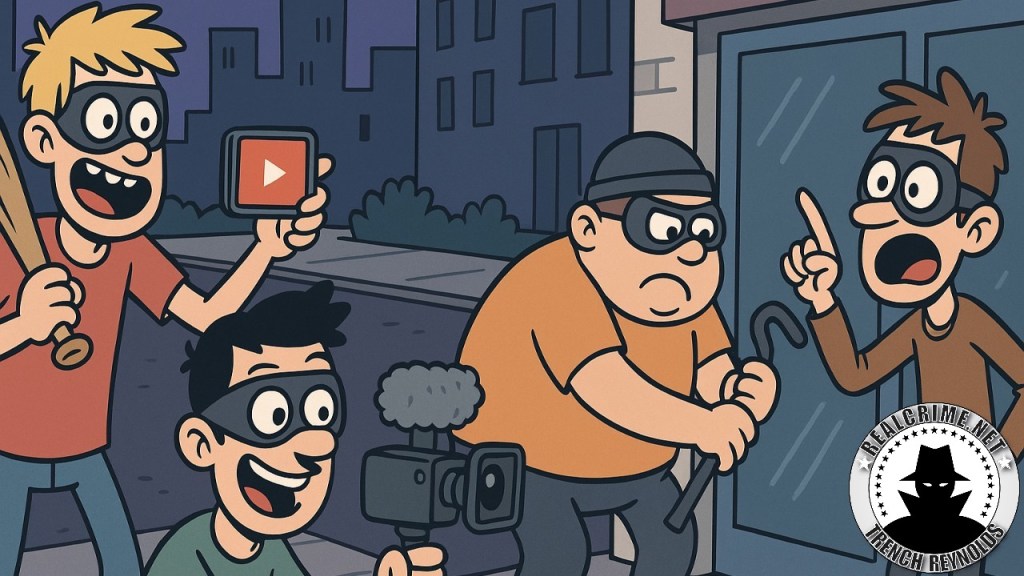
Earlier this year in Brush, Colorado, an elderly man answered a knock at his door and stepped into the type of nightmare that’s becoming far too common in the era of YouTube heroes. A stranger wearing a chest-mounted camera confronted him on his own front steps, accusing him of trying to meet a 13-year-old girl for sex. The man denied everything. He insisted he never solicited anyone, that a girl had contacted him online, and that he told her she shouldn’t be on the site. He even offered up his phone on the spot.
But denials don’t matter when the person judging you is livestreaming for an audience. The confrontation dragged on until the man called police for help. That should have been the end of it.
Instead, it was the beginning.
Police took the phone he willingly handed over. Months later, officers plastered his photo across Facebook, announcing an arrest on 140 felony counts of child sexual exploitation. The torrent of online hatred was immediate. Death threats, vandalism, and public shaming were all fueled by the vigilante’s video and the department’s posts. Local services refused to treat him. His family changed their name. His life effectively ended before he ever saw a courtroom.
And then the case fell apart.
When prosecutors finally examined the actual evidence, not the accusations, not the YouTube confrontation, not the social media frenzy, they discovered that none of the images on the phone met the legal definition of child sexual abuse material. The files appeared to be adults made to look like minors. Not one was known to the national child-exploitation database. Not one had even been opened. Worse, the phone itself wasn’t even his; it was a used device he bought online that had never been factory-reset. The “evidence” wasn’t just weak; it was nonexistent.
The charges evaporated. The damage didn’t.
His attorney says his client did everything a reasonable person would do. He called the police. He cooperated. He begged for help. And yet he became collateral damage in the collision between amateur vigilantes and overzealous investigators.
Look, I’ve spent more than two decades calling out genuine predators, and I’ve never pulled punches about the danger they pose. But what happened in Colorado is exactly why I’ve never had patience for these self-appointed “child protection warriors” who think a GoPro and a YouTube channel make them Elliot Stabler from Law & Order: SVU.
They are not heroes. They are not detectives. They are not trained. And they absolutely should not be hunting people.
Vigilante sting groups contaminate evidence, entrap innocent people, interfere with legitimate investigations, and expose themselves and their targets to physical danger. And history has shown, time and again, that some members of these groups eventually turn out to be the very predators they claim to fight. The moral high ground gets a little wobbly when your own “crime-fighting squad” contains the same monsters you’re supposedly exposing.
In the Brush case, the vigilante confrontation set off a chain reaction that ruined a man’s life even after prosecutors declared the evidence worthless. The police chief still defended the decision to pursue charges, but when an investigation begins with a YouTube ambush and ends with prosecutors saying, “This wasn’t child porn,” something went wrong.
This incident isn’t an outlier. It’s a warning.
When random citizens with cameras and inflated egos start running amateur stings, you don’t get justice; you get chaos. You get wrongful arrests, contaminated digital evidence, misidentified suspects, and livestreamed public humiliation that never goes away even when the courts do their job correctly.
If someone suspects a crime, report it. If police receive a credible tip, investigate it. That’s the system. It’s imperfect, but it’s the only one with rules, training, oversight, and due process.
There is no room for cosplay detectives chasing clicks.
We don’t need more vigilantes. We need better investigators, better digital forensics, and a justice system that isn’t hijacked by online theatrics.
And above all, we need to stop letting amateurs play cop for an audience.
(Source)



 Real Crime with Trench Reynolds
Leave a comment