

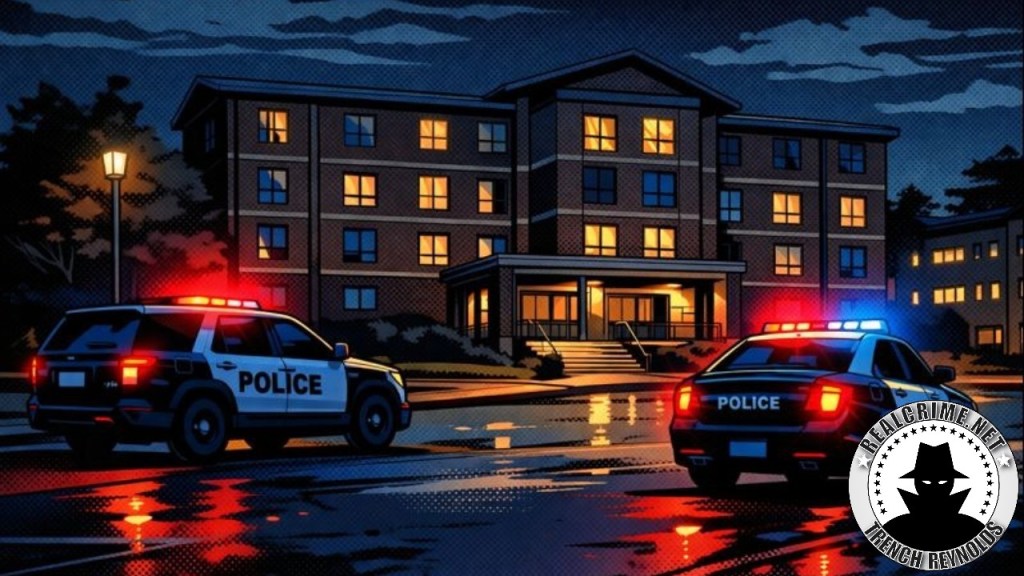
I made a mistake.
In the immediate aftermath of the December 9th shooting at Kentucky State University, I wrote a post reacting to what looked, based on the early and familiar facts, like yet another example of an adult bringing a gun onto a school campus and turning anger into death. That post has since been deleted, though it remains available on my Patreon, after new information materially changed how this case should be understood.
I jumped the gun. So to speak.
That earlier post was written in a country where shootings at schools and colleges are so frequent, so repetitive, and so depressingly predictable that it barely feels reckless to assume the worst when the first details emerge. Officials rush to say “isolated,” “not random,” and “no ongoing threat,” and history has trained us to hear those phrases as minimization rather than explanation. Considering America’s long and bloody relationship with guns in schools, you can hardly blame me for coming to that conclusion.
Still, I was wrong, or at least premature. I may be guilty of being a hammer who sees every school shooting as a nail.
Since then, a Franklin County grand jury has declined to indict Jacob Lee Bard, the 48-year-old father of two Kentucky State University students who was initially charged with murder and first-degree assault. Bard is now out of jail, and the legal system has made clear that, under the facts presented, it did not believe criminal charges were warranted.
According to Bard’s attorneys, the shooting occurred while Bard and his wife were on campus to move their sons out of the school. This point matters, and it was missing from the earliest public understanding. The family says they withdrew both sons because of repeated violent incidents, threats, and assaults in the days and weeks leading up to December 9th. One son reportedly had his dorm room burglarized in October after intruders pulled a fire alarm and disabled security cameras with fire extinguishers. After reporting the burglary, he allegedly began receiving threats. Days before the shooting, the attorneys claim that same son and his friends were assaulted by a large group, and the day before the shooting, they were allegedly attacked again inside the dorm.
On the day of the shooting, Bard’s lawyers say campus police were escorting the family during the move-out because of those safety concerns. As they approached the residence hall, a group of 20 to 30 people, many allegedly wearing masks or hoods, rushed and attacked the family. The attorneys claim Bard’s son was beaten, including having his head slammed against the pavement. Bard fired in what they describe as a desperate attempt to stop the assault and prevent his son from being killed or seriously injured.
That account, combined with surveillance footage and witness video reviewed by investigators, is why the grand jury ultimately declined to indict Bard. Law enforcement has continued to describe the shooting as isolated, though they have not publicly released a full factual narrative beyond acknowledging the self-defense claim.
The story did not end there. In a grim and deeply unsettling turn, the parents of the student who was killed, 19-year-old De’Jon Darrell Fox Jr., were later arrested in Indiana on felony intimidation charges. Prosecutors allege that Fox’s parents made online threats against Bard, including graphic statements expressing a desire for retaliation and references to gang violence. Both parents were released from custody and are expected to appear in court, but the arrests underscore how far the fallout from this shooting has spread.
A young man is dead. Another student was seriously injured. A father who brought a gun onto campus is legally free, having convinced a grand jury that he acted in self-defense. The victim’s grieving parents are now facing felony charges of their own. What began as a campus shooting has metastasized into a tangle of violence, fear, grief, and legal consequences that will linger long after the headlines fade.
It is profoundly sad that this situation had to come to this, that a college campus became the stage for mob violence, gunfire, death, and the criminalization of grief. Sometimes there are no heroes, no clear villains, and no satisfying ending. Sometimes there are no good guys in a story, only damaged people making catastrophic decisions in a system that keeps letting guns and rage collide in places that should never see either.
(Sources)



 Real Crime with Trench Reynolds
Leave a comment